ON CELEBRATING THE NEW YEAR
We do experience one change on January 1; in the number of the year and month we find ourselves in. This reminds us that the numbers or symbols in our lives matter, especially the numbers by which we order our time. When God formed time on the Fourth Day of creation, by creating physical bodies (planets and stars) that moved within space in a predictable, regular and, importantly, a measurable way, He did so “for signs and seasons, and for days and years,” as it says in the Bible (Gen 1:14). It is we, human beings, who are called to read these ‘signs,’ ordering our own motions and plans within the framework of the ‘times’ of day and night, attaching numbers to each ‘time.’ It keeps us sane, to know what time it is; what year it is, what month it is. We feel somewhat disoriented, if we lose track of the “time,” which involves a number, a symbol. So, these numbers are important, even vital, for our sanity. Moreover, for people of faith it’s always been important to celebrate specific times and to ‘read’ them in light of our faith-tradition. We have special prayers and commemorations attached to each Hour of day and night, and to each day of the year. That is to say, each Hour and day is ‘symbolic,’ filled with faith-inspiring meaning, when we pay attention to its traditioned meaning.
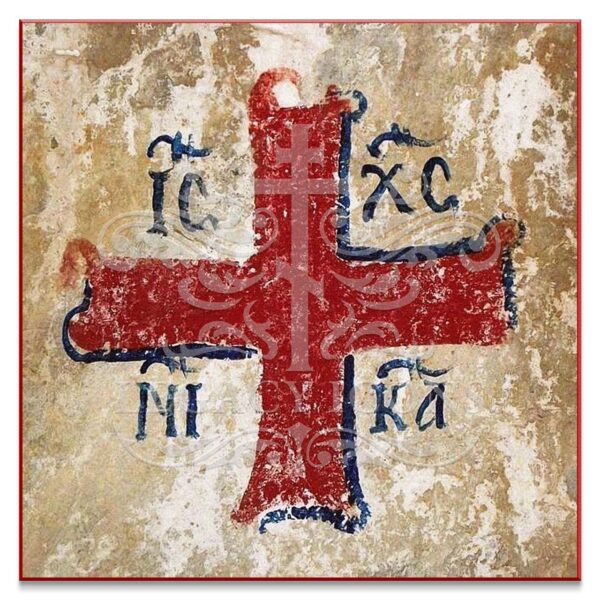
On New Year’s Eve, we greet a symbol, a number. This time, it’s 2026. In and of itself, the number has no meaning; its meaning is in the eye of the beholder. We, as people of faith, can shed the light of our faith onto it; we can own it and befriend it, filling it with our Hope, as we “look for/expect/anticipate the resurrection of the dead and the life of the age to come,” as we profess at the end of the Creed. Even while hope and faith are practically counter-cultural in our times, when being depressed, angry and fearful seems a virtue, we can choose to look forward with hope and faith in our crucified-and-risen Lord, who is the One who ‘wins’ (NIKA). It doesn’t mean being unrealistic or sticking our heads in the sand or in the clouds. It means making a conscious choice, to pay attention to the undying presence among us of the One who ‘is.’ He is with us always, and through us with our troubled world: “and lo, I am with you always, even to the end of the age,” He says. Thank You, Lord, for dignifying us with Your presence this past year, and for Your commitment to do so in the upcoming one. Let us love one another, dear friends and foes, and let us choose to celebrate the New Year in faith and hope.❤